The HD60 X is a capable 5Gbps USB card for a 4K60 display or a 1440p120 monitor. The 4K X adds HDMI 2.1, much higher capture ceilings and a 10Gbps USB requirement for its full set of modes. The upgrade is valuable when the screen or the recording format actually needs those capabilities. It has much less effect on a setup that still plays at 4K60 and broadcasts at 1080p60.
| Elgato HD60 X | Elgato 4K X | |
|---|---|---|
| HDMI interface | HDMI 2.0 | HDMI 2.1 |
| Highest passthrough listed | 4K60, 1440p120, 1080p240 | Up to 4K144, 1440p240, 1080p240 |
| Highest SDR capture listed | 4K30 | Up to 4K144 in supported modes |
| HDR capture | Up to 1080p60 on Windows | Up to 4K30 on Windows |
| USB connection | USB 3.0, 5Gbps | USB 3.2 Gen 2, 10Gbps for full modes |
| Analogue input | 3.5 mm stereo line-in | 3.5 mm stereo line-in |
What the HD60 X can pass to the gaming display
The HD60 X technical specification lists 4K60, 1440p120 and 1080p240 passthrough, with VRR and HDR support. That covers many console and monitor arrangements. The recording output is a separate limit: 4K30, 1440p60 or 1080p60 HDR are the principal ceilings. A 4K60 input can continue to the television while OBS receives a lower frame rate or resolution. This is usually acceptable for a Full HD stream, but not for someone archiving games in 4K60.
The HD60 X uses an ordinary 5Gbps USB 3.0 connection. For a laptop without a verified 10Gbps port, that is simpler to accommodate. The card includes an HDMI 2.0 cable and USB cable, though a full console-to-card-to-monitor path requires two HDMI links. Its line-in port can be useful in an analogue audio setup, so that feature alone is not a reason to choose the 4K X.
Elgato HD60 X
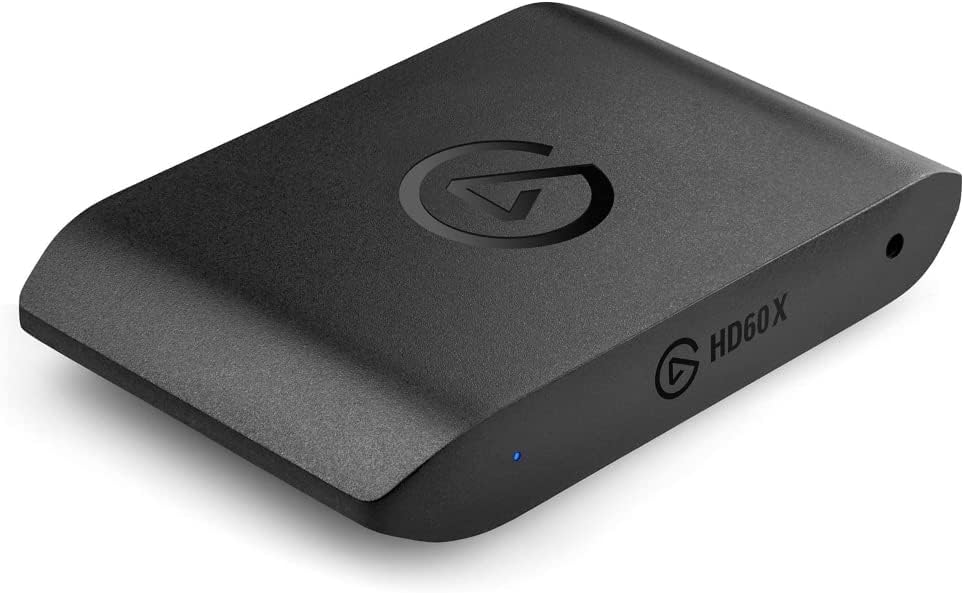
Capture: Up to 4K30 or 1080p60 HDR
Passthrough: 4K60, 1440p120 or 1080p240
Connection: USB 3.0 (5Gbps)
What the 4K X adds
The 4K X specification moves both HDMI sockets to HDMI 2.1 and the computer link to USB 3.2 Gen 2. It can pass a high-refresh 4K signal with VRR and capture higher-resolution, higher-frame-rate SDR video. Elgato’s supported-mode matrix gives the precise combinations: 4K144 capture is SDR, while HDR recording is limited to lower ceilings, including up to 4K30. The matrix also distinguishes an input a card can pass through from one it can actually capture at the same format.
The 4K X does work on a 5Gbps USB port, but Elgato says recording resolution is reduced. That makes the host computer part of the purchase decision. A USB-C-shaped socket is not proof of 10Gbps capability; check the computer’s port specification. The supplied USB-C and HDMI cables help, but the complete two-HDMI-cable chain still has to support the format going to the screen.
Elgato 4K X
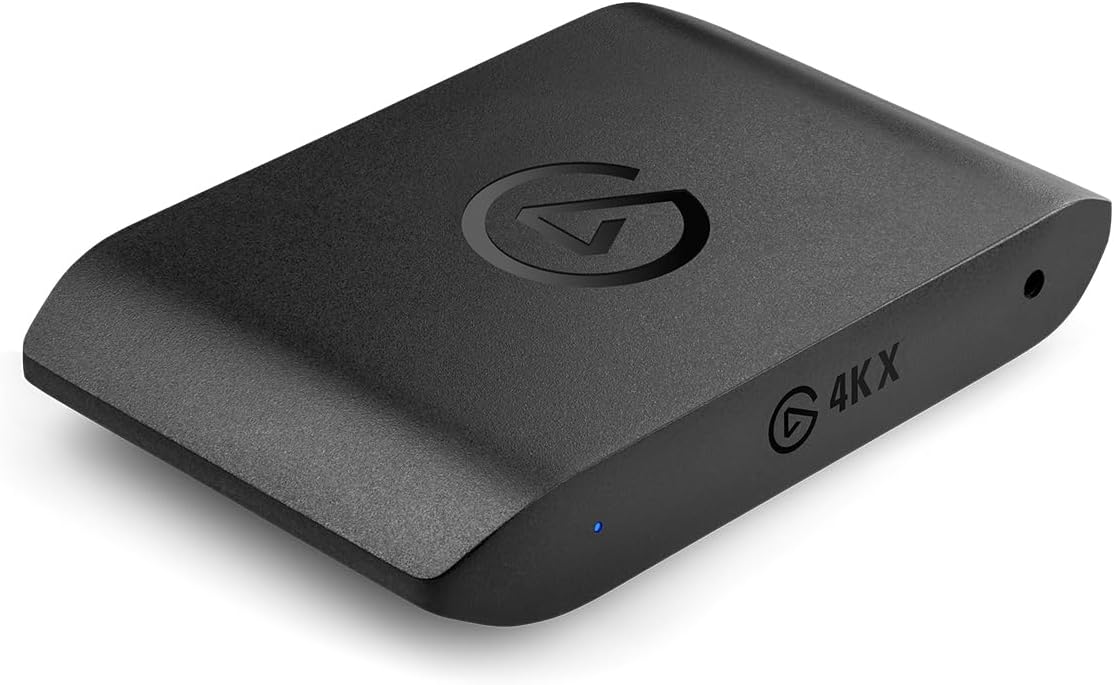
Capture: Up to 4K144 SDR; 4K30 HDR
Passthrough: Up to 4K144 with VRR
Connection: USB 3.2 Gen 2 (10Gbps)
A practical upgrade test
Ask what the display receives today and what the recorded file must contain. If you play at 4K60 and stream at 1080p60, the HD60 X already handles those two jobs. If you play at 4K120 on a compatible screen, or you need 4K60 recording, its HDMI and capture ceilings become binding and the 4K X is the relevant model. If you need HDR capture, consult the actual resolution and frame rate in Elgato’s mode table rather than treating “4K144” as an HDR promise.
There is a third factor: the computer. A 10Gbps USB port is part of the 4K X’s full-performance path, so confirm it before paying for the higher card. If the PC is limited to 5Gbps and the stream remains Full HD, the HD60 X or even Game Capture Neo may be a better fit. For another HDMI 2.1 USB option, see the 4K X versus AVerMedia GC553G2 comparison.